
New CDC Data: What’s Actually Happening with STI Rates in 2026
The CDC just released its newest national STI data, and the headline looks like good news: cases fell for the third year in a row. The full picture is more complicated than a single downward line. In 2024, the US reported just over 2.2 million cases of chlamydia, gonorrhea, and syphilis combined, a 9% drop […]

The CDC just released its newest national STI data, and the headline looks like good news: cases fell for the third year in a row. The full picture is more complicated than a single downward line.
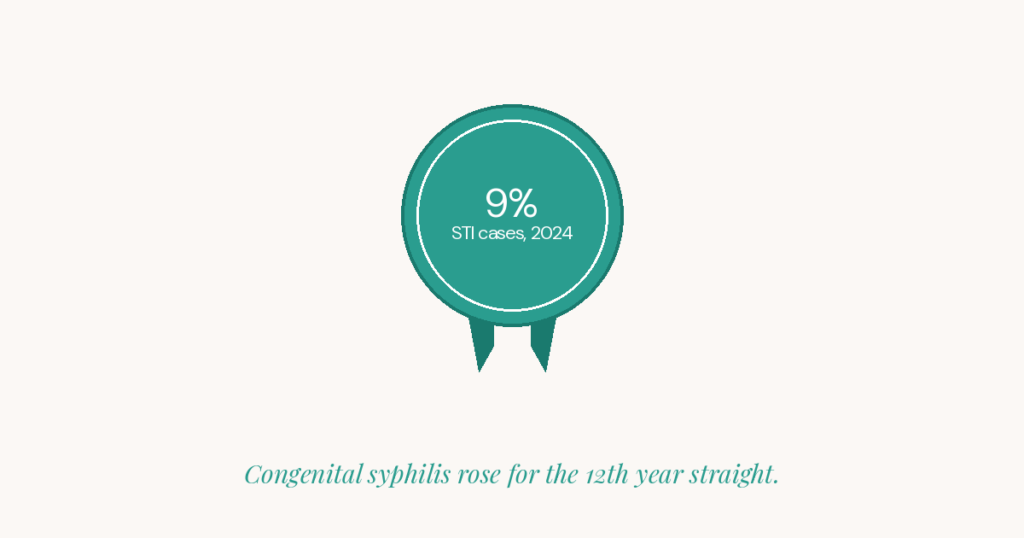
In 2024, the US reported just over 2.2 million cases of chlamydia, gonorrhea, and syphilis combined, a 9% drop from 2023. Chlamydia was down 8%. Gonorrhea was down 10%. Primary and secondary syphilis, the most infectious stage, fell 22%. Public health officials point to wider use of at-home and point-of-care testing, plus doxycycline as an after-exposure prevention option, as real drivers behind the decline.
The decline is real, but it’s not the whole story
The CDC flagged a catch of its own this year: it released only national numbers, not the usual state, age, and race breakdowns, because it’s still migrating to a new data platform. That transition started in 2022, the same year the declines began, and it has delayed reporting from a number of states.
There’s a second wrinkle. Surveillance data counts positive test results, not how many people got tested in the first place. If clinics are testing fewer people, because of shorter hours, staffing cuts, or insurance changes, fewer positive results don’t necessarily mean fewer infections. It can just mean fewer people looked.
The number moving the wrong way
One trend didn’t improve. Congenital syphilis, passed from a pregnant person to a baby, rose for the 12th year in a row, to nearly 4,000 cases in 2024. That’s up almost 700% from a decade ago, and it’s preventable with timely testing and treatment during pregnancy. Early-stage syphilis in women also climbed nearly 8% last year, a sign of infections progressing before anyone catches them.
As one public health official put it, the rising rate of congenital syphilis is “a completely preventable condition.” Reversing it depends on the same thing driving the good news elsewhere: people actually getting tested, and getting real answers.
Know before it counts
Verified results mean you’re not guessing, and neither is anyone you tell.
What the data means for you
None of this is a reason to panic, and if you’re already testing regularly, it’s not really about you. It’s a reminder that a national trend line doesn’t tell you where you actually stand. The only status update that matters is your own, and it only helps if it’s real.
That’s the whole idea behind Protecht. No self-reported screenshots, no guessing. Results come straight from the provider or lab that ran the test, so what you share is what actually happened.
Sources
- CDC Releases 2024 National STI Data
- CDC data show declines in sexually transmitted infections, rise in newborn syphilis — CIDRAP
- Are sexually transmitted diseases truly declining, or is the data just lacking? — Healthbeat
Ready to bring your own?
Download Protecht and share verified status in seconds, not screenshots.


Carry your receipts, not just your word.
Pull your provider-verified results and share a negative status the safe way. Free to download.